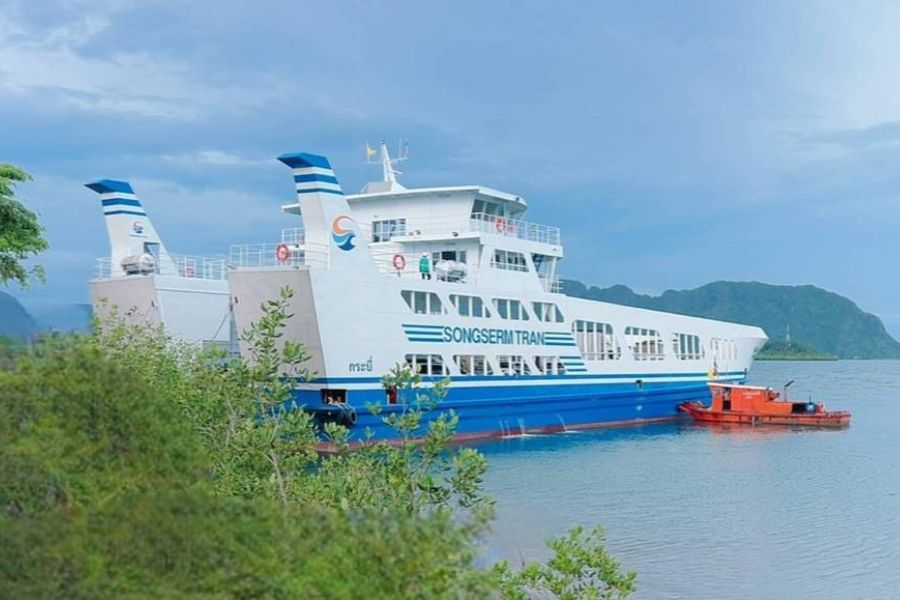
Sustainable travel between Krabi and Koh Lanta continues to gain momentum as both destinations strengthen their commitment to marine conservation and low-carbon tourism. Travelers seeking to reduce emissions can choose from several environmentally considerate transport options—most notably ferries, speedboats, and shared road-and-ferry combinations. These routes lessen individual carbon footprints and contribute to wider sustainability efforts across the Andaman Coast.
Why Choose Eco-Friendly Transport?
Krabi and Koh Lanta are part of Thailand’s leading sustainable tourism zones, with initiatives promoting clean energy, reduced waste, and responsible marine travel. Opting for shared or fuel-efficient transport reduces per-person emissions, protects the fragile marine ecosystem, and supports operators that prioritize environmental standards.
Top Low-Impact Transport Options
1. Green Planet Speedboats
A preferred option for travelers seeking both comfort and reduced environmental impact.
Key Features
- Departures from Ao Nang and Klong Jilad Pier (Thaa Ruea Khlong Jilad)
- Modern vessels using fuel-efficient engines and low-emission technology
- Scenic Andaman Sea route to Saladan Pier (Thaa Ruea Sala Dan) on Koh Lanta
- Suitable for families and small groups prioritizing eco-conscious travel
Travel Time: Approximately 1.5–2 hours
2. Passenger Ferries
Shared ferries remain one of the most efficient and environmentally friendly ways to travel, as emissions are spread across many passengers.
Key Benefits
- Depart mainly from Klong Jilad Pier
- High passenger capacity reduces individual carbon output
- Comfortable, stable ride ideal for all ages
Operating Season: November–April
Estimated Cost: THB 350–THB 800
Travel Time: Approximately 2–2.5 hours
3. Shared Minivan + Car Ferry
A year-round option that maintains lower emissions when compared with private taxis due to shared seating and efficient routing.
Route Overview
- Overland journey from Krabi to Ban Hua Hin Pier
- Short car ferry crossing to Koh Lanta Noi
- Continued road travel to Koh Lanta Yai
Estimated Cost: THB 300–THB 400
Travel Time: 2.5–3 hours
Availability: All seasons
This option is particularly efficient for families or groups who can maximize the environmental benefits of shared transport.
Eco-Friendly Booking Tips
- Prioritize operators that participate in local sustainability programs, such as Krabi’s Green Destinations initiatives.
- Check weather conditions during the low season, as sea transport may be affected by rough waters.
- Pack lightly to simplify on-and-off loading for boat crews and reduce overall weight.
- Choose shared transfers when possible—group travel consistently lowers emissions per traveler.
FAQs: Eco-Friendly Travel from Krabi to Koh Lanta
- What is the most environmentally friendly way to travel from Krabi to Koh Lanta?
Shared ferries are typically the lowest-impact option due to their high passenger capacity, which spreads emissions across many travelers. - Are speedboats eco-friendly?
Operators such as Green Planet use modern, fuel-efficient engines designed to reduce emissions, making them more sustainable than older vessels. - How long does the ferry from Krabi to Koh Lanta take?
Most passenger ferries require 2–2.5 hours, depending on sea conditions. - Is there eco-friendly transport available year-round?
Yes. The shared minivan plus car-ferry route operates throughout the year and remains relatively low-impact when traveling in groups. - Which pier in Krabi offers the most sustainable transport options?
Klong Jilad Pier provides regular shared ferry departures that help reduce individual carbon footprints. - Are ferry services available during the rainy season?
Standard ferry operations typically run from November to April. During other months, weather disruptions may occur, and land-and-ferry combinations become more reliable. - How much should eco-conscious travelers expect to pay?
Prices generally range from THB 300–THB 800, depending on the method chosen. - Is the minivan + car ferry option environmentally friendly?
When shared, this combination produces significantly fewer emissions than private taxis, especially for small groups. - Do eco-friendly operators support local conservation efforts?
Many do. Some participate in regional sustainability programs that focus on marine protection, waste reduction, and community-based tourism. - Is advance booking necessary for eco-friendly services?
It is recommended during high season to ensure availability, particularly for ferries and speedboats with limited daily departures.
For a Complete Travel Guide
For more detailed information on transportation options, booking tips, itinerary suggestions, and everything you need to know about planning your trip, visit our full guide:
