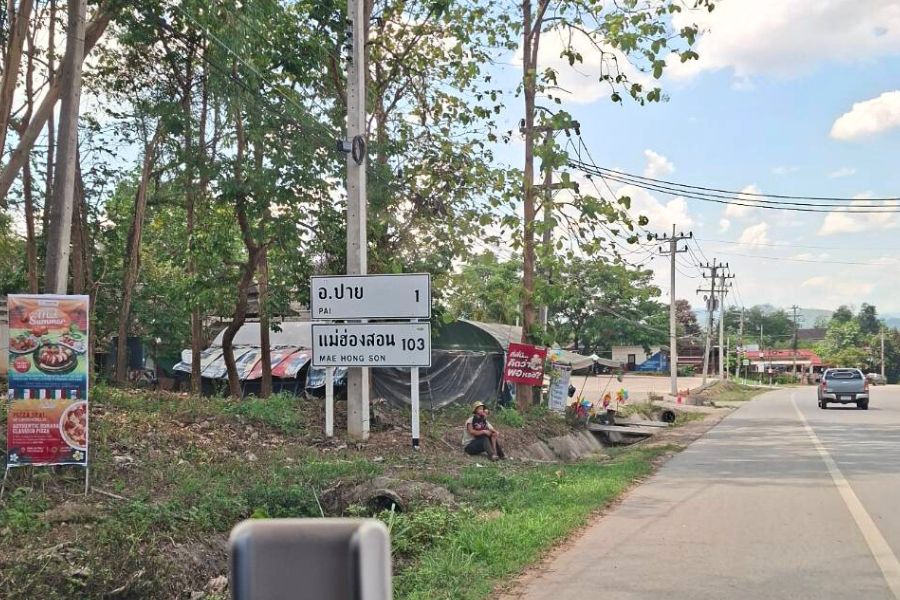
The mountainous road between Chiang Mai and Pai—celebrated for its 762 sharp bends—is one of northern Thailand’s most iconic driving routes. Stretching 130–135 km along Route 1095, this journey blends dramatic curves with sweeping landscapes, creating a memorable (and sometimes demanding) travel experience. Whether approached by motorbike, car, or minivan, understanding what to expect can make the trip far more enjoyable and comfortable.
Overview of the Route
Route 1095 connects Chiang Mai’s Mae Rim district to the small valley town of Pai. The road is:
- 130–135 km long, depending on the start and end points
- Known for 762 consecutive curves, including numerous hairpin turns
- Typically completed in 3–4 hours, depending on traffic, weather, and breaks
- Well-paved, with clear signage and regular warning markers
- Characterized by steep gradients, tight switchbacks, and forested mountain terrain
This combination of well-maintained asphalt and challenging topography is what makes the route famous among adventure travelers.
Driving Conditions and What to Expect
1. The Curves and Terrain
The route climbs steadily into the mountains with sections requiring precise manoeuvring. Travelers encounter:
- Repeated S-curves and hairpin bends
- Occasional U-turn–style corners
- Steep ascents and descents that demand consistent braking control
- Narrower stretches where staying alert is crucial
Most drivers find the curves exhilarating, but they can be tiring for those with limited mountain-driving experience.
2. Road Quality and Safety
Route 1095 is generally well-maintained, with:
- Smooth pavement
- Yellow warning signs before sharp corners
- Guardrails along steeper drops
- Reasonably cautious local drivers, particularly truck and van operators familiar with the terrain
Still, visibility can be reduced in fog or rain, especially during the wet season.
3. Vehicle Recommendations
The trip is manageable with a variety of vehicles, but power and stability matter:
- Motorbikes: A 150 cc or higher scooter is recommended for adequate torque on steep grades.
- Cars and vans: Automatic or manual vehicles both handle the route well; ensure effective brakes and tires.
Fuel stations can be sparse after leaving Chiang Mai’s outskirts, so fill up before starting.
Best Time to Travel
- Dry Season (November–February): Clear views, cooler temperatures, and optimal road conditions. This is the most comfortable period for driving.
- Hot Season (March–May): Expect higher temperatures and potential haze from agricultural burning, which can reduce mountain visibility.
- Rainy Season (June–October): The route remains open and paved, but rain increases slipperiness and may require slower, more cautious driving.
Morning departures are generally recommended for lighter traffic and better visibility.
Managing Motion Sickness
The intense, repetitive curves can affect even seasoned travelers. To reduce discomfort:
- Sit near the front of a car or van.
- Look ahead instead of down at devices.
- Avoid heavy meals before departure.
- Use motion-sickness tablets if needed.
- Take breaks at viewpoints to relax and reset your balance.
Travelers prone to motion sickness often consider this section the most challenging part of the Pai journey.
Scenic Stops Along the Way
Despite the intensity of the drive, the route is dotted with worthwhile stops:
- Waterfalls and forest viewpoints
- Local cafés with panoramic outlooks
- Rest areas ideal for stretching, hydrating, and reducing fatigue
These scenic pauses not only break up the journey but also highlight the natural beauty for which northern Thailand is known.
Overall Experience
The Chiang Mai–Pai route offers a blend of adventure, scenery, and adrenaline. Many travelers describe the experience as a highlight of their northern Thailand itinerary. Although demanding, staying focused, pacing the journey, and preparing adequately ensures a safe and rewarding arrival. Pai’s relaxed atmosphere, hot springs, cafés, and valley views offer a perfect contrast to the dramatic drive that precedes it.
FAQs: Chiang Mai to Pai Road (762 Curves)
- How long does the drive from Chiang Mai to Pai take?
The journey usually takes 3–4 hours, depending on traffic, weather, and rest stops. - Is the road to Pai dangerous?
The road is well-paved and generally safe, but its sharp curves and steep gradients require attentive, confident driving. - What type of motorbike is recommended for this route?
A 150 cc or larger scooter is ideal for maintaining power on steep climbs and handling tight corners. - Are there fuel stations along the way?
Fuel is limited after leaving Chiang Mai, so travelers should fill up before starting. - Is the route suitable for beginners on a motorbike?
It is possible but not recommended. The curves and steep sections can be overwhelming for inexperienced riders. - What is the best time of day to travel to Pai?
Morning departures offer clearer visibility, cooler temperatures, and lighter traffic. - What should I do to avoid motion sickness?
Sit at the front of the vehicle, avoid heavy meals, focus on the road ahead, and consider motion-sickness medication. - Are there scenic stops along the way?
Yes, there are waterfalls, cafés, and mountain viewpoints suitable for breaks and photos. - How much does it cost to travel from Chiang Mai to Pai?
Costs depend on transportation choice, typically ranging from THB 150–THB 2,000, depending on whether travelers choose a public minivan, motorbike rental, or private car. - Does the road remain open during the rainy season?
Yes, Route 1095 remains open year-round, though drivers should exercise additional caution during heavy rain.
For a Complete Travel Guide
For more detailed information on transportation options, booking tips, itinerary suggestions, and everything you need to know about planning your trip, visit our full guide:
