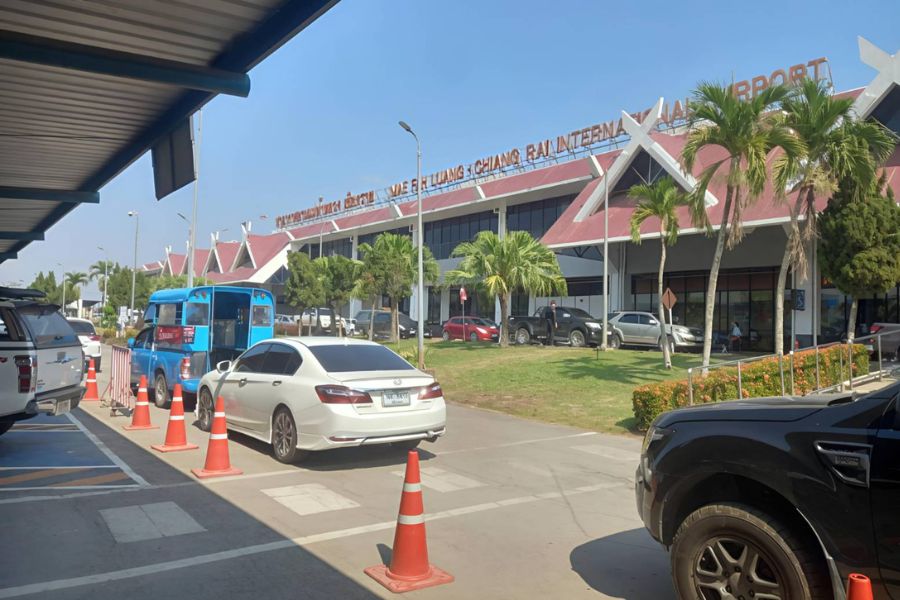
Travel between Chiang Mai and Chiang Rai generally takes 3–4 hours by road, covering approximately 180–200 km along Highway 1 (Route 107) or AH2. The exact duration depends on traffic, weather, the vehicle used, and whether your journey includes scenic stops or rest breaks.
This guide outlines what influences travel time and how visitors can plan efficiently for a smooth and timely trip.
Typical Travel Duration by Transportation Mode
| Transport Mode | Average Travel Time | Notes |
|---|---|---|
| Private car or taxi | 2.5–3 hours | Fastest option; no scheduled stops. Ideal for groups or travelers with luggage. |
| Intercity bus (Green Bus) | 3–4 hours | Reliable fixed schedules; includes occasional rest stops. |
| Scooter or motorbike | 5+ hours | Slower due to road elevations, weather vulnerability, and required safety pacing. |
| Private tour vehicle | 3–4 hours | Duration varies depending on sightseeing stops along the route. |
Key Factors That Affect Travel Time
1. Traffic Conditions
Heavy traffic around Chiang Mai city, especially during morning and late-afternoon commute hours, can add 30–60 minutes. Peak Thai holiday periods—including Songkran (April) and New Year (December–January)—often create additional delays.
2. Seasonal Weather
Road conditions change through the year:
- Monsoon Season (June–October): Rain may reduce visibility and cause slower driving speeds, particularly on winding mountain segments.
- Dry Season (November–February): Generally faster travel, though haze season (February–March) may moderately affect visibility.
3. Road Infrastructure and Construction
Highway improvements or small construction zones occasionally reduce speed through narrower sections or temporary detours.
4. Transport Mode
Your choice of transport significantly shapes the overall duration:
- Private cars or taxis offer the most direct and efficient travel time and allow flexibility with rest stops.
- Intercity buses follow set schedules and may pause for quick breaks, extending travel time.
- Scooters are substantially slower due to hills, weather exposure, and the need for frequent rest stops.
Planning Tips for a Smooth Journey
Choose the Right Departure Time
Leaving Chiang Mai around 06:00–07:00 helps avoid peak traffic and offers more predictable travel duration.
Understand Costs
- Private taxis or transfers: Typically THB 2,000–5,000, depending on vehicle size and operator.
- Bus fares: Generally THB 200–400 based on class and service type.
Use Safe and Reliable Terminals
Most buses depart from Chiang Mai Bus Terminal 2 (Arcade). Arrive early during weekends or holidays to secure seating and allow for check-in.
Plan for Scenic Detours
If incorporating sightseeing, stops such as Doi Saket viewpoints, Mae Suai, or Doi Tung naturally extend the journey. Travelers with flexible schedules often build in an additional 1–2 hours.
Consider Vehicle Type and Comfort
For long rides, air-conditioned vehicles and seats with recline options enhance comfort—especially during warm months.
Check Real-Time Traffic
Monitoring travel conditions before departure helps determine whether highway sections are congested or impacted by weather.
Scooter Travel Requires Extra Caution
Scooter journeys are best suited to confident riders. Expect more than 5 hours of travel, and always account for rain, fatigue, protective gear, and frequent rest stops.
Conclusion
The journey between Chiang Mai and Chiang Rai is straightforward, typically taking 3–4 hours, though several variable factors—from transport type to seasonal weather—can influence total travel time. With thoughtful planning, travelers can enjoy a smooth, scenic road trip across northern Thailand.
FAQs: Chiang Mai to Chiang Rai Travel Time
1. How long does it usually take to travel from Chiang Mai to Chiang Rai?
Most travelers take 3–4 hours by bus or car, depending on traffic and road conditions.
2. What is the fastest way to travel between the two cities?
A private car or taxi is the fastest option, taking around 2.5–3 hours without stops.
3. Are buses reliable for this route?
Yes. Intercity buses operate regularly and usually take 3–4 hours, depending on rest stops and traffic.
4. Does the route experience heavy traffic?
Traffic near Chiang Mai—especially mornings and late afternoons—can add up to 30–60 minutes.
5. Is the road between Chiang Mai and Chiang Rai safe?
The main highways are well-maintained. However, caution is needed during rainy months, as some sections become slippery.
6. Can travelers make stops for sightseeing along the way?
Yes. Scenic spots such as Doi Saket and Doi Tung can be added but will extend the total travel time.
7. How much does a taxi or private transfer cost?
Typical fares range between THB 2,000 and THB 5,000, depending on vehicle type.
8. Are motorbike or scooter trips recommended?
Only for experienced riders. Expect 5+ hours of travel and be prepared for weather changes and winding roads.
9. What time of day is best to depart?
Early morning (around 06:00–07:00) helps avoid city traffic and ensures smoother travel.
10. Are there rest stops along the route?
Yes. Buses and private vehicles can use highway rest areas offering food, fuel, and restrooms.
For a Complete Travel Guide
For more detailed information on transportation options, booking tips, itinerary suggestions, and everything you need to know about planning your trip, visit our full guide:
